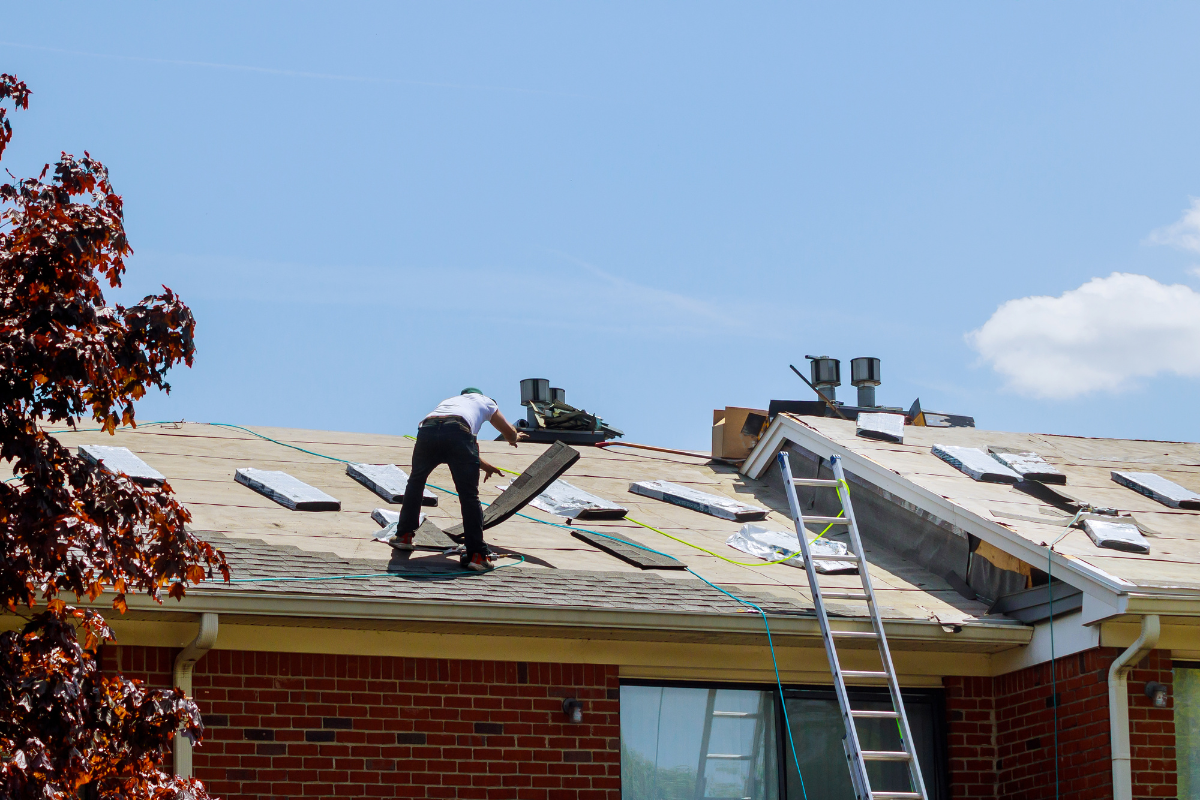
Roofs are not just weather shields. They frame the silhouette of your home, influence energy bills, and quietly set the tone for curb appeal. When a roof reaches the end of its life or no longer fits the look you want, a custom roof replacement offers a chance to solve practical problems and express style at the same time. Done well, it feels like swapping a worn suit for a tailored one. Done poorly, it becomes a costly, leaky headache.
I have spent two decades on job sites, from century-old bungalows with brittle cedar to contemporary builds where the homeowner wanted standing seam metal in a custom color. The common thread across those projects is this: the best outcomes come from a clear vision, honest constraints, and a roofing contractor who can execute both the technical and the aesthetic brief. If you are in a climate with sweltering summers and freeze-thaw winters, like Kansas City, picking materials and details tailored to your style and your weather is not optional. It is the difference between satisfaction for 25 years and regret after the first hailstorm.
What “custom” really means for a roof replacement
Custom does not automatically mean exotic or expensive. It means intentional choices across a series of decisions. Material is only one of them. Slope, color, profile, flashing style, ventilation strategy, and the way gutters terminate at trim all shape the final look. Even the exposure length on cedar or composite shakes can nudge a design toward traditional or modern.
A homeowner once asked me for a “black roof” to match their minimalist exterior. The house had a shallow pitch, significant sun exposure, and a vaulted living room with poor ventilation. We could have installed dark shingles and collected a nice check. Instead, we talked through heat absorption, attic temps, and shingle lifespan. The final solution was a high-definition charcoal with cool-roof granules, an insulated deck overlay at a few targeted bays, and a matte black drip edge to keep the visual impact. It photographed like a true black while performing better by 10 to 15 degrees on peak summer afternoons. That is what custom looks like in practice.
Reading your climate and neighborhood
If you are searching for a roofing contractor Kansas City homeowners trust, you already live with a climate that tests materials: hail, heavy rain, high winds, and temperature swings that bully sealants and nails. Local experience matters. A roofing company that chases storms might know how to file an insurance claim, but a team that works here year-round understands the way a northwest winter gust lifts poorly fastened ridge caps and how spring hailstones shred low-quality asphalt. They also know what your neighborhood expects. Some HOAs in Johnson County accept architectural shingles but restrict metal profiles. Historic districts in midtown often require cedar looks, though composite alternatives sometimes pass if the texture is right.
In volatile climates, I weigh impact resistance higher than the national averages suggest. Class 4 impact-rated shingles or stone-coated steel tend to outlast standard three-tab or commodity architectural shingles by several seasons of hail. If you keep the home long enough, the premium often pays for itself. In addition, fastening patterns and underlayment choices can add wind uplift resistance that you will never see from the street but will appreciate during a March squall.
Material options that actually change the look
Every brochure promises durability and beauty. The truth is more nuanced. Here is how the main categories play out when matched to style goals and budget realities.
Asphalt shingles remain the most common choice for roof replacement services because they balance cost, variety, and ease of installation. Architectural (also called dimensional) shingles use layered tabs to create shadow lines. That added relief gives you a deeper, more custom look than flat three-tabs. High-definition granules and staggered cuts can mimic slate or shake from the sidewalk, especially on two-story homes. If you want color subtlety, look at blended hues, not solid blacks or browns. Blends soften transitions between roof planes and hide minor debris better.
Metal roofing comes in two main looks: exposed fastener panels with ribs at regular intervals, and standing seam with concealed clips and a sleeker finish. Standing seam suits modern or farmhouse styles and sheds snow and rain efficiently. Color choices are wide, from natural zinc to matte charcoal to crisp whites. Choose a roof profile that respects your home’s proportions. On a shallow pitch ranch, narrower seams can look busy. On a taller modern farmhouse, a 16-inch seam reads https://titusewpu756.raidersfanteamshop.com/precision-roof-repair-services-for-persistent-leaks-1 balanced. If you go metal in hail country, consider thicker gauge panels and a textured finish to disperse impact marks.
Cedar and composite shakes bring warmth that synthetic granules rarely duplicate. Real cedar weathers, which is part of its charm, but it asks for careful ventilation and maintenance in humid regions. Composite shake and slate mimic wood or stone while adding impact and fire resistance. The best composites have varied molds, so not every piece looks identical. Specify a blend pattern to avoid repeating textures at the ridge or along long runs.
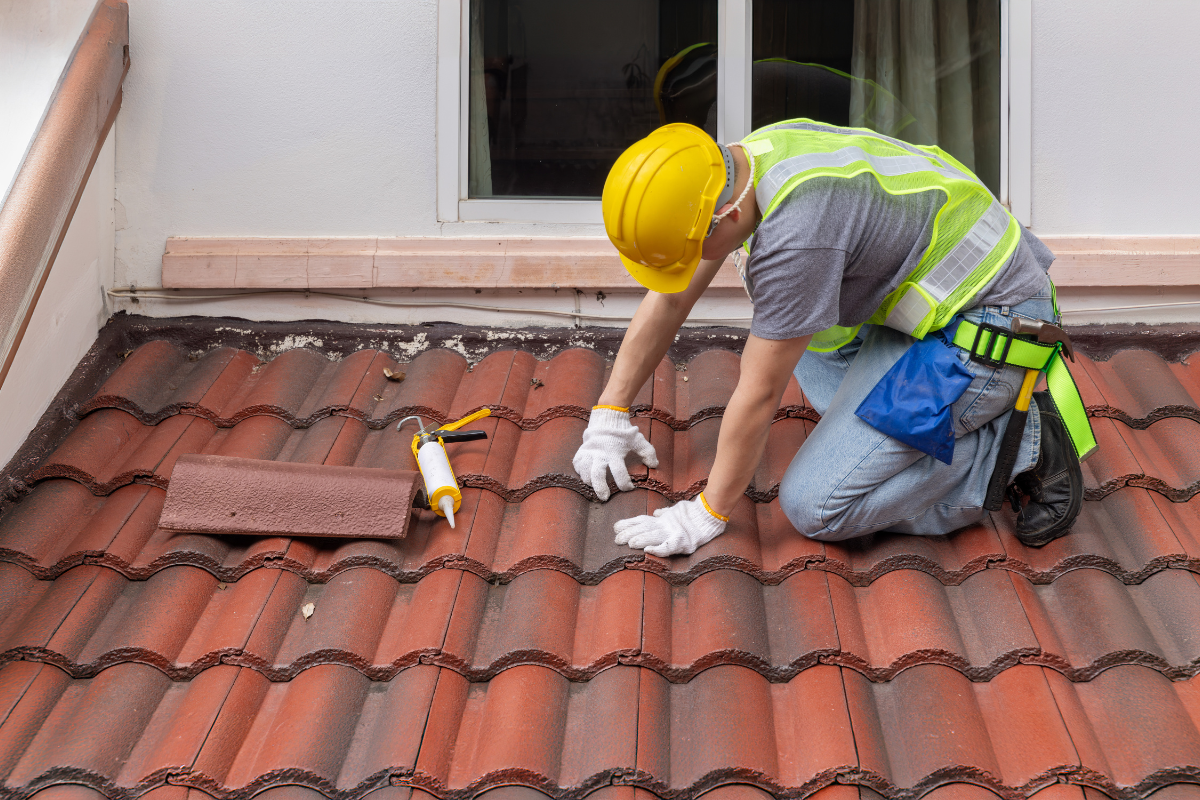
Clay and concrete tile pair beautifully with Mediterranean or Spanish-inspired homes. They add serious weight, which means your roof structure must be evaluated and possibly reinforced. In exchange, you get a roof that can last 50 years or more with minimal color fade. Low-profile tiles offer a transitional look for homeowners who want the longevity of tile without a pronounced barrel curve.
Slate remains the high-water mark for timeless elegance. Properly installed, a slate roof can outlast several homeowners. The catch is weight, skill requirements, and cost. I have seen slate fail quickly when inexperienced crews relied on standard nails and guessed at flashing. If slate is your dream, hire a roofing contractor with verified slate projects you can go see, not just photos.
Color, texture, and the way light hits your roof
Do not choose color from a one-inch sample in a fluorescent showroom. Ask for full shingle boards, look at them against your siding in sun and shade, and step back to the curb. On a sunny day, some dark shingles sparkle with mica-like flecks. That pop looks flashy under noon sun and muted at dusk. If you want a calm, modern tone, skip the glitter granule lines and pick a matte blend.
Think about the seasons. In Kansas City, late afternoon light in October casts a warm angle that pulls gold from tan shingles and flattens gray slates to a soft blue. If you have red brick, overly warm roof tones can make the whole house feel rusty. A cooler charcoal or slate blue balances brick without clashing. If your exterior is already cool and minimal, a warm driftwood blend can keep the house from going sterile.
Texture becomes your friend on large planes. A big front-facing roof can look like an empty parking lot if the material has no depth. Architectural shingles, scalloped tiles, or hand-split shake lines break up that expanse. On small, intricate roofs with hips, valleys, and dormers, quieter textures keep the composition from getting noisy.
Matching roof details to architectural style
Most roof replacements live or die in the details. Flashing, ridge treatments, valley style, and edge metals can make a standard material feel bespoke.
Open metal valleys are crisp and read traditional to Craftsman, Tudor, or Colonial styles. Woven or closed-cut valleys hide metal and lean contemporary. In heavy leaf zones, open valleys shed debris better and reduce maintenance.
Ridge caps can be standard cut shingles or dedicated high-profile caps. On a home with bold gables and thick fascia, high-profile caps tie the roof into the trim scale. On a low-slope modern house, keep the ridge lean and let the plane stay flat.
Drip edge and fascia colors are subtle levers. Matching the drip edge to the roof color makes the roof feel larger and more monolithic. Matching it to the fascia quiets the transition and lets the body of the house stand out.
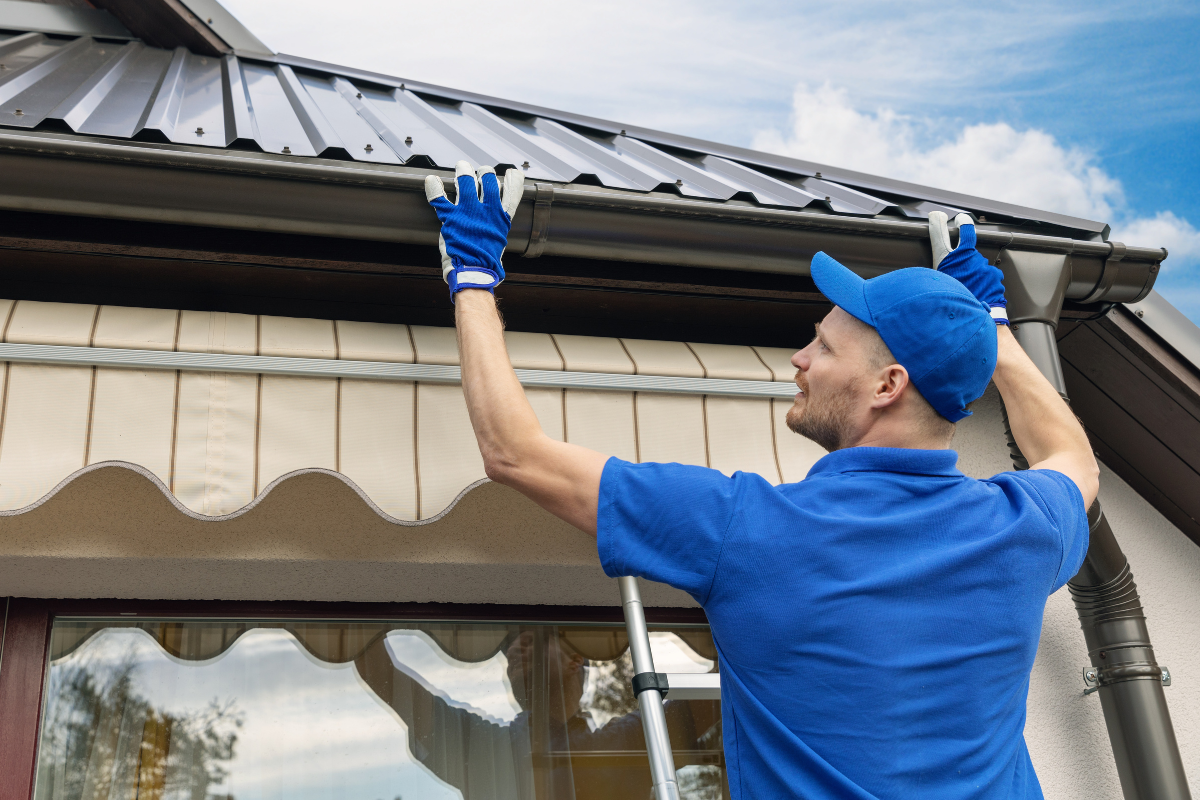
Gutter profiles and downspouts deserve the same care. Oversized K-style gutters with hidden hangers keep lines clean on modern exteriors. Half-round gutters with round downspouts suit historic homes. Choose a finish that either blends with trim or intentionally contrasts. White downspouts on dark brick draw the eye, often not in a good way.
The anatomy of a durable custom roof
If the visual choices draw you in, the unseen layers keep the roof dry and quiet. A thoughtful roofing contractor treats the underlayment and ventilation plan as part of the design.
Ice and water shield is a self-adhering membrane that seals around nails and stops water if wind drives rain backward or ice dams form. In our region, I run it at eaves to at least two feet beyond the interior wall line, at valleys, around chimneys and skylights, and on low-slope transitions. On higher-end projects, we sometimes cover the entire deck for a tight envelope, especially under metal.
Synthetic underlayment is lighter and more tear resistant than felt. It stays flatter during installation and holds up if weather delays the shingle day. Pay attention to manufacturer systems. Many roofing services Kansas City crews offer include extended warranties only if components match brand to brand.
Ventilation is where performance and comfort intersect. Intake at soffits and exhaust at ridge should be balanced. If you swap to a new ridge vent but your soffit vents are painted shut or blocked with insulation, hot attic air will stagnate. On vaulted ceilings without attics, consider a vented nail base or above-deck ventilation to prevent cooked shingles and winter condensation. These assemblies cost more but turn problem roofs into stable ones.
Fastening patterns and accessory choices can be tuned to wind zones. Using six nails per shingle, placing nails within the manufacturer’s strip, and adding high-wind starter strips at eaves improve adhesion. On metal, proper clip spacing and the right fastener type prevent oil canning and thermal movement issues.
Style under budget: where to invest and where to save
Most homeowners want a tailored look without overspending. Smart moves can deliver.
Invest in the front-facing elevations. If your roof has a main street-facing plane and simpler rear slopes, consider a premium look up front with a slightly simpler profile at the back. You stay within budget while highlighting the view that matters most.
Choose architectural shingles in a rich blend over mid-grade specialty lines. The highest-tier asphalt shingles often advertise elaborate patterns that age into visual noise. A reliable architectural shingle with the right color blend, installed cleanly, ends up looking more custom.</p